Victoria BC Real Estate News & Market Trends

You’ll find our blog to be a wealth of information, covering everything from local market statistics and home values to community happenings. That’s because we care about the community and want to help you find your place in it. Please reach out if you have any questions at all. We’d love to talk with you!

April 30, 2025

Zoning Bylaws in British Columbia


Understanding British Columbia’s Zoning Bylaws and Their Impact on Property Development

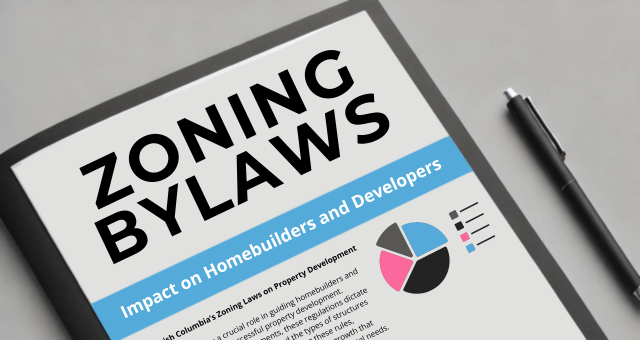
Zoning Bylaws play an important role for homebuilders and developers. Established by local governments, these regulations dictate land use, building dimensions, and the types of structures that are permitted in specific areas (zones). By enforcing these rules and regulations, municipalities try to ensure organized growth that is balanced in the community.

Zoning Bylaws in British Columbia

In British Columbia, zoning bylaws serve as legal frameworks that implement municipal and regional land use plans, transforming broad community objectives into specific regulations. These bylaws divide land into distinct zones—such as residential, commercial, industrial, and agricultural—each with defined rules governing land use, building size, density, and placement.

For example, residential zones may be further classified to accommodate single-family homes, duplexes, or multi-family units. To maintain alignment with evolving community needs, municipalities must update zoning bylaws every five years, ensuring that housing density and permitted land use reflect long-term development goals. This ongoing adjustment helps address housing demand and urban growth while preserving the character of neighborhoods.

Zoning Regulations in Victoria

The city of Victoria has implemented zoning regulations to address housing shortages and encourage diverse housing options. In 2023, the city introduced a missing-middle zoning policy, allowing up to six housing units—including townhouses and duplexes—on lots previously designated for single-family homes. This initiative aims to enhance housing diversity and affordability within established neighborhoods. However, developers must navigate multiple layers of zoning requirements, which outline specific conditions regarding lot frontage, lot size, building form, parking, setbacks and infrastructure compatibility.

Key considerations include

Permitted Uses and Density: Zoning bylaws define allowable land uses and the number of units that can be built on a property. For instance, a developer must obtain a zoning amendment to construct a commercial facility in a residential zone. Similarly, restrictions on housing density impact the scale and financial feasibility of development projects. Additionally, zoning regulations often include floor space ratio (FSR) requirements, which determine the total allowable floor area in relation to the lot size. Higher FSR values enable more extensive developments, while lower FSR values limit building size and density.

Building Specifications: Regulations specify building height, size, and placement on a lot, including setbacks from property lines and maximum lot coverage. These rules ensure that new developments integrate harmoniously into the community while adhering to safety standards.

Parking and Infrastructure: Zoning bylaws often include requirements for parking spaces, access routes, and utility services. Increased density from developments like multiplexes can strain existing infrastructure, necessitating costly upgrades to water, sewer, and electrical systems. Developers must account for these factors during project planning to avoid unexpected costs and delays.

Navigating Zoning Challenges: Understanding and complying with zoning laws can be complex. Developers may need to apply for variances or rezoning approvals when their projects do not conform to existing regulations. Engaging with local planning departments early in the development process can help clarify zoning requirements and streamline the approval process. Additionally, working with professionals who specialize in local zoning can help developers navigate these challenges effectively and avoid costly setbacks.
Conclusion

A comprehensive understanding of British Columbia’s zoning laws is essential for homebuilders and developers. These regulations dictate the feasibility of construction projects, influencing land use, building design, and infrastructure requirements. By staying informed about zoning bylaws and proactively addressing compliance issues, developers can facilitate smoother project execution and contribute to the development of well-planned, thriving communities.



Posted in Market Updates
April 17, 2025

Renting vs. Buying in British Columbia

Renting vs. Buying in British Columbia: What’s Right for You?

Between rising prices, changing interest rates, and new rules shaking up the rental world, it’s no wonder so many people are asking: Should I rent or should I buy?

It’s a question we get all the time, and honestly—there’s no one-size-fits-all answer. It really comes down to your lifestyle, your finances, and what your goals look like in the next few years. So let’s walk through the pros and cons of both and help you figure out what makes the most sense for you.


What Does It Mean to Rent or Buy?

Renting

Renting can look different depending on the setup, but at its core, it means paying for the right to live in a space without actually owning it. That could be through a landlord, a property management company, or a formal lease agreement. While you’re not on the hook for big repairs or major expenses (unless otherwise stated in your lease), you’re also not building equity the way you would if you owned the place. Whether or not renting is the right move really depends on your goals and what matters most to you. It’s a great fit if you value flexibility, lower upfront costs, and fewer day-to-day responsibilities.

Buying

Owning a home means you're not just living in the space—you own it. That comes with more responsibility, like covering your mortgage, property taxes, insurance, and all the maintenance or repairs that come up along the way. But the trade-off is that you're building equity over time and investing in something that’s yours. You also have the freedom to customize, renovate, or simply put down roots without worrying about lease renewals, rent hikes, or worse - evictions. For many, homeownership represents stability, long-term growth, and a place to truly call your own. Whether it’s the right path depends on your financial readiness and your long-term goals.


Pros and Cons of Renting 🏙️

👍 PROS

Flexibility to move: Ideal if you’re not ready to settle down or might need to relocate.

Lower upfront costs: No big down payment or closing fees—just first month’s rent and a deposit.

Less responsibility: Most maintenance and repairs are handled by your landlord.

👎 CONS

No equity growth: Your rent goes toward someone else’s mortgage—not your own wealth.

Limited control: Want to paint a wall or get a dog? You might be restricted.

Rent increases: Lease renewals can come with price hikes, making long-term budgeting harder.


Pros and Cons of Buying 🏡


👍 PROS

Equity and investment: Your mortgage payments help you build ownership over time.

Stability and control: No landlords, no surprise evictions—you make the rules.

Potential tax perks: You may be eligible for deductions like mortgage interest.

👎 CONS

Higher upfront costs: Down payment, inspections, legal fees—it adds up quickly.

All on you: From leaky faucets to roof repairs, homeowners cover it all.

Market uncertainty: Real estate values can rise, but they can also dip depending on timing and location.


What to Consider Before You Decide

💰 Financial Readiness
Can you comfortably cover a down payment and ongoing mortgage payments? Take a good look at your savings, income stability, and credit score—they’ll all play a big role in your buying power.

🌎 Lifestyle & Flexibility
How rooted are you? If you anticipate relocating in the next few years, renting might offer the flexibility you need. But if you're ready to settle down, buying could provide a more permanent foundation.

📈 Long-Term Vision
Is building equity, growing your wealth, or establishing a stable home base part of your bigger picture? Homeownership can align well with long-term financial and personal goals.

📍 Local Market Insight
In some B.C. communities, renting may be the more budget-friendly short-term option. In others, buying could give you better long-term value. Knowing your local market is key.


Conclusion

There’s no right or wrong answer—it all comes down to what works best for you. Renting can be a great option if you’re looking for flexibility and fewer upfront costs, while buying might make more sense if you’re ready to put down roots and build long-term equity. It really depends on your lifestyle, goals, and where you see yourself in the years ahead.

If this has been on your mind, feel free to reach out—we’re always happy to chat and help answer any of your questions.

Posted in Market Updates
March 19, 2025

Buying Your First Home?

Buying Your First Home? Save Money Now with an FHSA!

Becoming a homeowner for the first time can feel like a huge challenge, especially in today’s market. The biggest hurdle? Money! Everyone could use a little extra cash, so don’t leave any on the table when purchasing a first home. The First Home Savings Account (FHSA) could be the secret weapon to making it happen!

As home prices continue to rise, the government has introduced various programs to help first-time buyers enter the market. Not all have been successful, but the FHSA is one opportunity that shouldn’t be missed. Here’s why:

Top 5 Reasons to Set Up and Use an FHSA

#1 – Income Tax Deductible

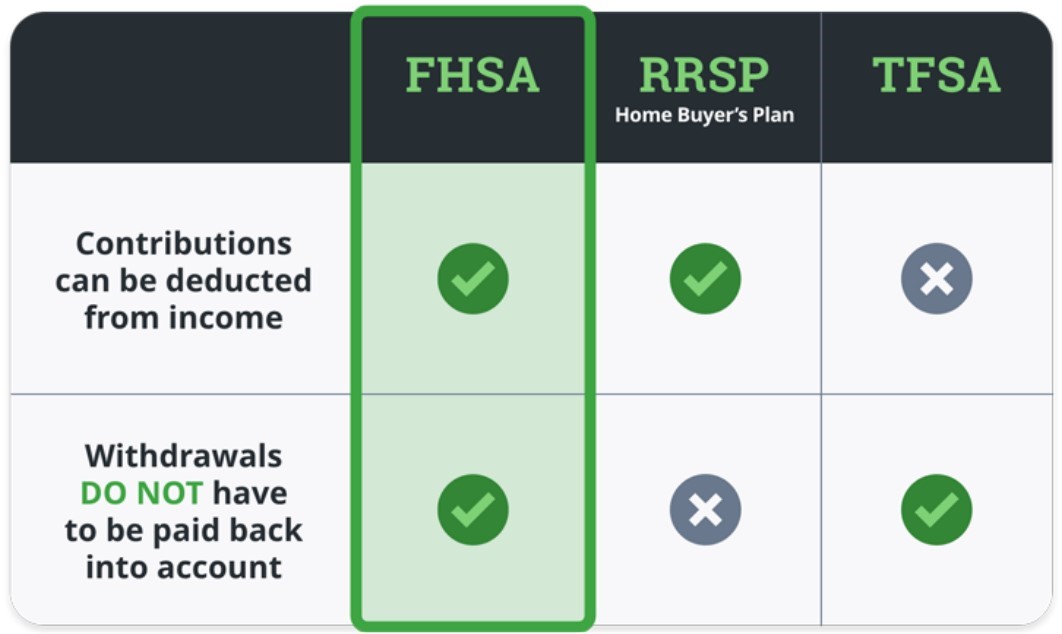
FHSA contributions are income tax deductible, allowing up to $8,000 per year to be written off while saving for a down payment!

#2 – No Waiting Period

An FHSA can be opened immediately and used right away. Even if a home purchase is just around the corner, it’s not too late to start and claim those tax savings!

#3 – 15 Years to Use It

Contribute up to $8,000 per year over time, with a total limit of $40,000. That means thousands of dollars saved while keeping more money out of the taxman’s hands!

#4 – No Repayment Required

Unlike some other programs, there’s no repayment needed. If the funds aren’t used within 15 years, they can be transferred into an RRSP or claimed as income.

#5 – Flexibility

The FHSA can be combined with an RRSP withdrawal for a first home purchase, maximizing savings. If buying with a partner who’s also a first-time buyer, both individuals can open and contribute to separate FHSAs—doubling the benefits! Plus, FHSA funds can be invested tax-free, helping them grow even faster.

There are plenty of strategies to explore when using the FHSA and other available tools to finally get into a first home. Have questions? Reach out today—expert guidance is available to help every step of the way!

FHSA

Posted in Market Updates
Feb. 24, 2025

Victoria Population Growth Update

Victoria Population Growth Update.

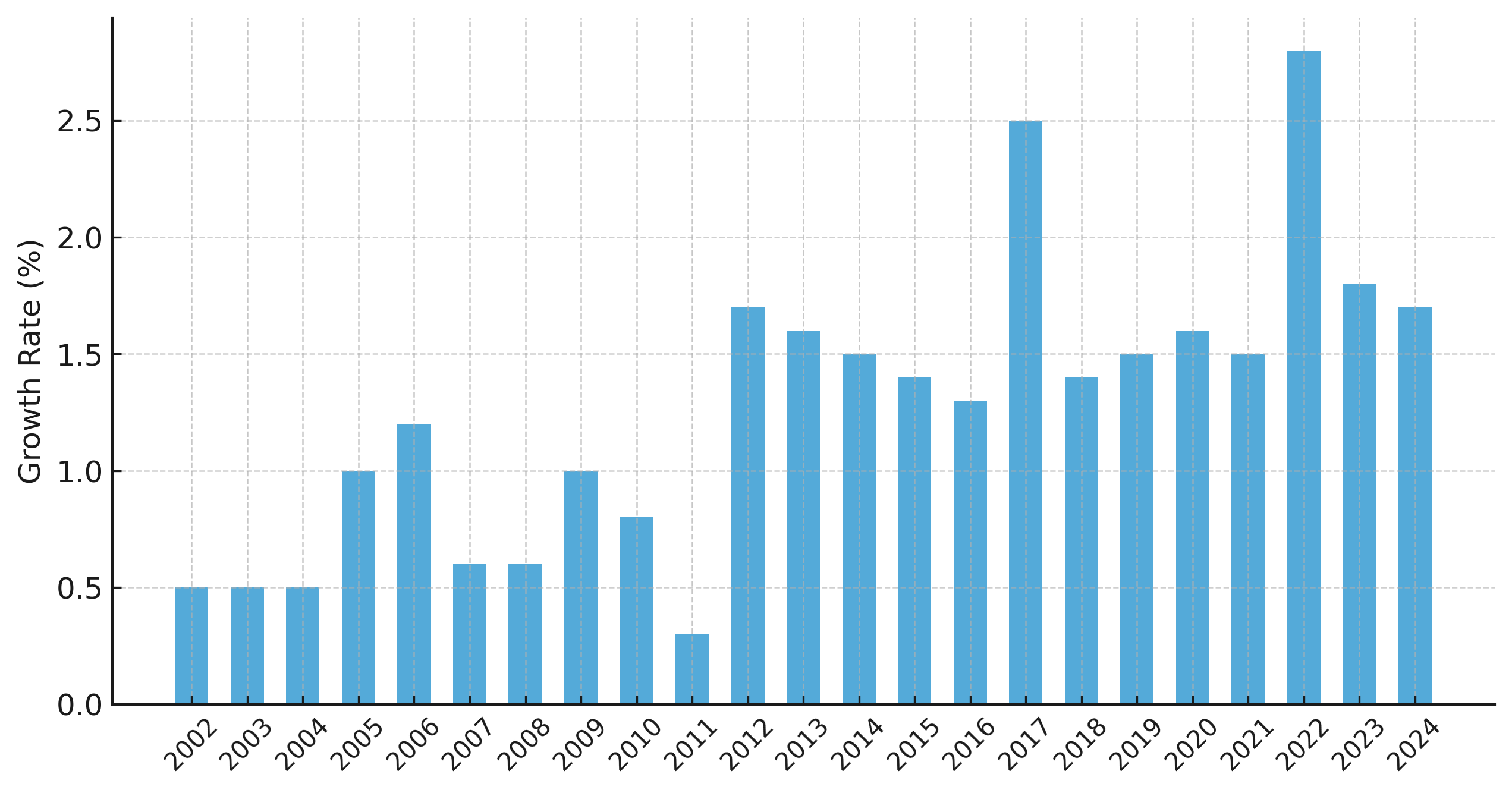
The latest data shows that while Victoria's population growth slowed a bit compared to the last couple of years, we still saw a 1.7% increase in 2024. This is still a significant jump compared to what we were seeing before 2012. National growth is expected to take a sharp dip in 2025 and beyond, but how much of that will impact Victoria is still up in the air.

As you'd expect, a lot of the growth is happening out in the western communities. However, we did see a slight dip in population growth last year in Langford, Colwood, and Sooke. While population figures are always estimates, it seems like Victoria is making some progress when it comes to helping newcomers find housing. The growth rate has been climbing from the 5-year to the 3-year average, and now we’re at a solid 2025 level. Other areas, on the other hand, have seen slower growth or even some declinesOak Bay and North Saanich, for example. This is all by design, as these municipalities are intentionally keeping growth slower to manage development more carefully.

Migration data up to 2023 also gives us some insight. While a lot of people are moving to Victoria from smaller towns in BC, Calgary, and Edmonton, those places are also seeing Victorians heading there. When we look at net migration, we can see where most new residents are coming from. On the flip side, it’s pretty clear that a lot of Victorians are heading up the island or moving to markets where it's more affordable.


Posted in Market Updates
Jan. 17, 2025

Curious About Victoria Real Estate?

Receive the Latest Victoria Market Stats

Curious about Victoria real estate? So are we! Every month we review trends in our real estate market and consider the number of homes on the market in each price tier, the amount of time particular homes have been listed for sale, specific neighborhood trends, the median price and square footage of each home sold and so much more. We’d love to invite you to do the same!

Get Local Market Reports Sent Directly to You

You can sign up here to receive your own market report, for your desired neighbourhood delivered as often as you like! It contains current information on pending, active and just sold properties so you can see actual homes in your neighborhood. You can review your area on a larger scale, as well, by refining your search to include properties across the city or municipality. As you notice price and size trends, please contact us for clarification or to have any questions answered.

We can definitely fill you in on details that are not listed on the report and help you determine the best home for you. If you are wondering if now is the time to sell, please try out our INSTANT home value tool. You’ll get an estimate on the value of your property in today’s market. Either way, we hope to hear from you soon as you get to know our neighborhoods and local real estate market better.

Posted in Market Updates